
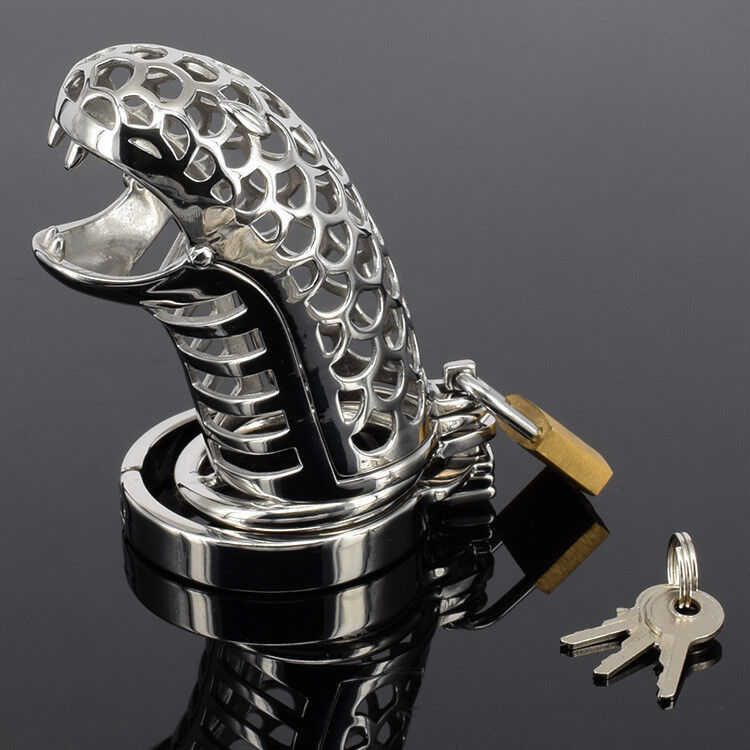
Cuckolding—a sexual dynamic in which a person (usually a man, referred to as the “cuckold”) derives pleasure from their partner engaging in sexual activity with another person—is a kink that has gained more visibility in recent years. While still considered taboo in mainstream conversations, it plays a significant role in the lives of many couples and is a growing part of alternative sexual lifestyles.
This practice, often misunderstood or misrepresented, involves complex layers of emotional and psychological stimulation that can enhance intimacy, trust, and mutual satisfaction for those who partake in it. In this article, we’ll explore what cuckolding entails, why it’s a turn-on for some, and dispel some of the myths surrounding this misunderstood kink.
What Is Cuckolding?
Cuckolding is a consensual power dynamic in which one partner, typically the “cuckold” (often, though not always, a man), encourages or willingly allows their partner, referred to as the “hotwife” (if it’s a heterosexual relationship involving a woman), to have sexual encounters with other individuals, often known as the “bull.” The cuckold derives pleasure from this situation, which can manifest in different ways—ranging from physical arousal to emotional fulfillment from the power exchange involved.
Cuckolding doesn’t always involve physical participation from the cuckold. In some cases, the cuckold might watch, while in others, they may hear about the encounter later. This dynamic can involve aspects of submission, humiliation (if desired), or voyeurism. However, it’s essential to emphasize that cuckolding—at its core—is rooted in consent and mutual understanding between all parties involved.
Why Is Cuckolding a Turn-On for Some?
Cuckolding as a kink taps into a variety of emotional and psychological triggers that can make it an intense turn-on for certain individuals and couples. Here are a few of the key reasons why people find this dynamic exciting:
- Erotic Humiliation: For some, the idea of being sexually “replaced” or “outperformed” can stir feelings of erotic humiliation, a powerful aspect of arousal for people who enjoy submission or degradation in a controlled environment. This type of humiliation is not about tearing down a person’s self-esteem but rather an agreed-upon power dynamic that fuels sexual excitement.
- Voyeurism: Cuckolding often involves watching one’s partner with another person, appealing to those with voyeuristic desires. The visual stimulation of seeing a partner receive pleasure from another can be highly erotic for the cuckold.
- The Empowered Partner (Hotwife Dynamic): In many cuckolding dynamics, the partner who engages in sex with the bull is empowered by the experience. In the case of the hotwife, she takes on an active, dominant role, often feeling desired and liberated. For many men, seeing their partner sexually empowered and in control is a turn-on.
- Heightened Intimacy and Trust: For couples who practice cuckolding, the level of trust and communication required can actually deepen the emotional connection between them. Sharing such a vulnerable part of their relationship can enhance feelings of security and intimacy, as both partners work together to set boundaries, communicate desires, and ensure mutual satisfaction.
- Satisfaction Through Compersion: Compersion is the feeling of happiness when seeing a loved one experience pleasure or joy with someone else. This can play a role in cuckolding, as some cuckolds find immense satisfaction in watching their partner’s sexual pleasure, even when it’s provided by another person.
What Does Cuckolding Involve?
Cuckolding is highly customizable, and no two cuckolding dynamics are exactly alike. Couples tailor the experience to suit their boundaries, interests, and comfort levels. Some of the elements that can be involved in a cuckolding scenario include:
- Communication and Consent: Before any cuckolding dynamic begins, open and honest communication is essential. Both partners must agree on the boundaries and rules, as well as the level of involvement or participation the cuckold will have.
- The Role of the Bull: The “bull” is usually an individual who enters into the relationship as the sexual partner of the hotwife (or the cuckold’s partner). Bulls often play a dominant role in the encounter, though their involvement and relationship with the couple vary.
- Watching or Hearing: Cuckolding often involves the cuckold either watching their partner with the bull or hearing about the encounter afterward. Some couples may use video recordings or other methods to include the cuckold in the experience if they aren’t physically present.
- Post-Encounter Discussions: Many cuckolding couples find excitement in discussing the encounter afterward, with the cuckold relishing in the details of their partner’s sexual pleasure. This can be a key part of the arousal and emotional connection for the cuckold.
Myths vs. Reality
There are several misconceptions about cuckolding, often rooted in outdated notions of masculinity, fidelity, and power dynamics. Let’s address some of these myths with more nuanced realities.
Myth 1: Cuckolding Means the Relationship Is Broken
One of the most common myths is that couples who practice cuckolding are unhappy or that the cuckold is being “cheated on” or disrespected. In reality, cuckolding is a consensual arrangement. Many couples who engage in this dynamic report high levels of trust, intimacy, and communication. Far from damaging their relationship, cuckolding can enhance it by allowing both partners to explore their desires openly.
Myth 2: Only Weak or Submissive Men Are Cuckolds
Cuckolding is often mischaracterized as emasculating, with the assumption that only weak or submissive men would allow their partner to have sex with someone else. In truth, cuckolds come from all walks of life, and many men who enjoy this dynamic find empowerment in the experience. For them, it’s not about weakness—it’s about mutual pleasure and enjoying an unconventional form of sexual expression.
Myth 3: Cuckolding Is About Infidelity
A key difference between cuckolding and infidelity is consent. Infidelity involves breaking the agreed-upon rules of a relationship, whereas cuckolding is a consensual and open exploration of sexual dynamics. All parties involved are aware of what’s happening, and boundaries are clearly established. For many couples, this transparency actually strengthens their bond.
Myth 4: Cuckolding Is Degrading to Women
Some people mistakenly believe that cuckolding objectifies or degrades the woman (or the partner playing the “hotwife” role). However, in many cases, cuckolding can be empowering for the hotwife. She takes control of her sexual pleasure, chooses who she engages with, and often plays a dominant role in the dynamic. The arrangement is rooted in mutual respect and often centers around her desires as much as those of her cuckolded partner.
The Reality: Cuckolding as a Consensual, Erotic Exploration
For those who engage in cuckolding, it can be a rewarding and deeply satisfying part of their relationship. Whether it’s about exploring new dimensions of submission, enjoying voyeurism, or empowering a partner, cuckolding involves intense communication, trust, and mutual satisfaction. The key to making it work lies in setting clear boundaries, discussing desires openly, and fostering a healthy emotional connection between all parties involved.
Far from being a sign of dysfunction or weakness, cuckolding—like many kinks—can be a way for couples to deepen their bond and experience sexual fulfillment in a consensual, non-judgmental way. When approached with respect and understanding, cuckolding can be a powerful expression of intimacy, pleasure, and trust.

 The NLM Events
Leave a comment