Pubic hair isn’t just biology — it’s culture, fashion, identity, comfort, and sometimes controversy. In grooming culture, what you choose to do down there sends messages — about gender, beauty, autonomy, and sex. Let’s trace how pubic hair has been treated through history, what’s trending now, the arguments for and against keeping it, and how to decide what works for you.
A Walk Through History: What Bush Has Been Up To
- Ancient & Pre-modern Eras: In ancient Egypt, Greece, Rome, removal (in part or fully) was practiced for hygiene, ritual, and aesthetic reasons. The “smooth” look was often associated with cleanliness, status, or civilization. Bustle+2CR Fashion Book+2
- 17th-19th Centuries: European art often erased pubic hair (through artistic conventions), but in personal grooming people used pumice, tweezers, or concoctions to reduce hair. Grooming norms varied with class and region. CR Fashion Book+1
- 20th Century: The bikini’s invention changed what parts of the pubic area might be exposed — hence more grooming of what would be visible. By mid-20th century, shaving or trimming became more common. In the ’60s-70s many embraced “natural” as counterculture. Then from the ’80s onwards, more removal (Brazilian waxes etc.) became popular. Porn, fashion, media played big roles. Bustle+3CR Fashion Book+3Betches+3
Modern Trends: What’s Hot Now
- “Bush is Back” / “Full Bush in a Bikini”: There’s a resurgence of embracing natural pubic hair. The phrase “full bush in a bikini” has made rounds on TikTok. Vogue and other fashion/media outlets report that “au naturel” down there is trending again — letting it grow, keeping it lush, visible, or just trimming rather than removing completely. MyLuxeLook+3Vogue+3Gay Pride – LGBT and Queer Voices+3
- Bushmaxxing: A newer coined term. It refers to maximizing one’s bush — letting it grow, embracing fullness, density, or it’s as much about resisting the removal norm as it is about style. Gay Pride – LGBT and Queer Voices
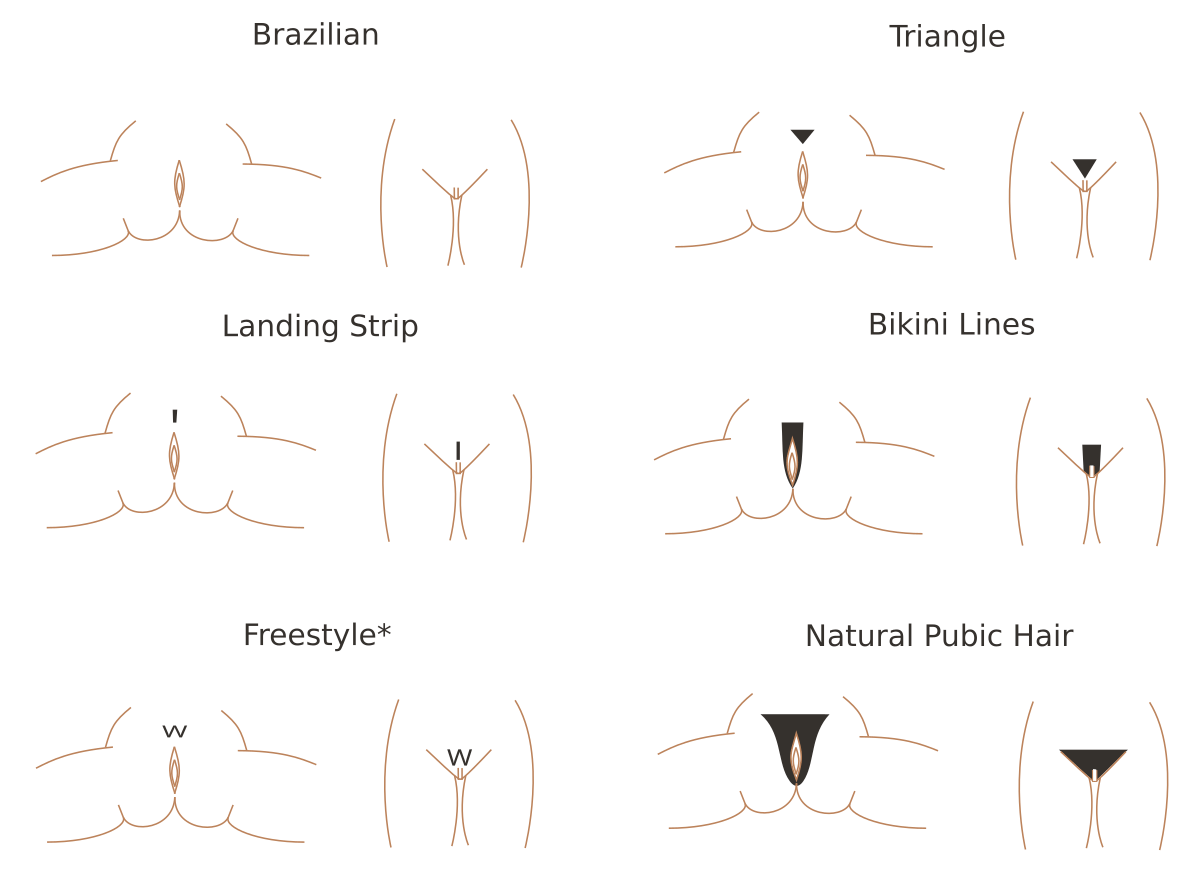
- More Style Variety: People are choosing landing strips, heart shapes, trimmed bushes, groomed but still with fullness, decorative designs (patterns), sometimes dye or adornments. Grooming is more custom and expressive than “hairless or everything.” Fashion Journal+3Byrdie+3Frau Mutter Renate+3
- More Conversation About Autonomy & Body Positivity: There’s a cultural shift: less shame about natural body hair; more discourse about what people want vs what society tells them they should. The binary (smooth vs hairy) is loosening. Health and comfort are being placed in the conversation more. Bustle+2Verywell Health+2
From Bush to Bare (and Back Again): Pubic Hair Styles Then & Now
Pubic hair isn’t just biology — it’s fashion history written below the belt. Just like hemlines and hairstyles, the way people have styled their bush has swung with the times. From natural ’70s vibes to the “Brazilian takeover” of the 2000s and today’s bush-positive comeback, let’s stroll through the greatest hits of the hairstyles down under.
🌿 The Full Bush
Then: The ’60s and ’70s sexual revolution embraced “au naturel.” Think free love, Woodstock, and hair everywhere — a rebellion against rigid beauty standards.
Now: The full bush is making a proud comeback. TikTok and fashion mags have declared the “bush is back.” Today’s bush is often groomed or shaped, but unapologetically present.
➖ The Landing Strip
Then: In the ’80s and ’90s, porn and lingerie ads made the neat little strip iconic. It was minimalist but still left a statement — like a runway guiding you to your destination.
Now: Still popular for those who want some hair but prefer a sleeker look. Modern trimmers and wax salons offer ultra-precise strips (or even shapes like hearts or arrows).
🍑 The Brazilian (All Bare)
Then: Popularized in the ’90s and early 2000s, especially after the J Sisters Salon in New York coined the “Brazilian.” Magazines called it chic, porn called it standard, and suddenly “bare down there” was the look.
Now: Still hugely popular — smoothness is sexy for many — but no longer the only option. It’s a choice, not a cultural mandate.
✂️ The Trim & Tidy
Then: Always an under-the-radar classic. Some trimming, a little shaping, but nothing extreme. A middle path for those who didn’t want the maintenance of waxing or the boldness of a full bush.
Now: Arguably the most common style today. Manscaping, fem-scaping, non-binary bush styling — it’s practical, comfy, and lets you control length without going full razor.
🎨 Creative Designs
Then: In the ’90s and early 2000s, playful wax salons introduced hearts, arrows, even dyed pubes. More of a novelty than a mainstream style.
Now: Still niche, but thriving in body-positive and kink communities. Glitter, neon dye, and “bush art” are finding a proud place on Instagram and at festivals.
⚖️ The Takeaway: Choice is Sexy
The biggest trend today isn’t one shape — it’s freedom. Whether you want to go natural, bare, trimmed, or glitter-bombed, the point is this: it’s your hair, your body, your choice.
From kitchen-table razors to full bush-maxxing on TikTok, pubic hair has always been a conversation starter. And right now? The only real rule is to rock the style that makes you feel confident, comfortable, and sexy.
Arguments For Keeping Pubic Hair
People who choose to grow or keep their pubic hair often cite several advantages and motivations:
- Protection: Pubic hair acts as a barrier — reducing friction, protecting sensitive skin, helping prevent irritation and perhaps lessening risk of some infections. Verywell Health+1
- Comfort: Less shaving/waxing means fewer ingrown hairs, cuts, irritation, pain. Many prefer not dealing with upkeep.
- Natural Look & Body Acceptance: For many, it’s more confidence-boosting to embrace what the body naturally gives. Rejecting grooming pressure can be liberating.
- Cultural / Feminist / Queer Expression: Embracing natural pubic hair can be a statement, reclaiming norms, resisting beauty industry standards.
- Less Maintenance/Cost: No regular waxing, trimming, shaving, or depilatory creams needed.
Arguments Against Keeping It (Or For Removal / Grooming)
On the flip side, many people decide to remove or groom for their own reasons. These aren’t “better,” just different priorities. Some reasons include:
- Aesthetic Preferences: Some prefer the look, feel, texture of less or no hair — smoothness, visibility, or how it looks under clothing or swimwear.
- Partner / Social Pressures: What others prefer (sexual partners, media, culture) can influence decision. Sometimes people feel judged.
- Hygiene Perceptions: Many believe that grooming helps reduce odor, sweat build-up, trapping of moisture — though it’s not always clear cut. Capri Med Spa -+1
- Sexual Pleasure Considerations: Some say grooming (or removing hair) makes certain sexual acts feel more comfortable or aesthetically desirable.
- Fashion / Beauty Trends: As with all things beauty, trends (bikinis, lingerie, media representations) push people toward removal or specific styles (landing strip, Brazilian, etc.).
Risks & Health Considerations
Whichever route someone chooses, there are health and comfort trade-offs to be aware of.
- Irritation, Cuts & Ingrown Hairs: Shaving, waxing, or depilating improperly can lead to ingrown hairs, bumps, infections. She Strengthens+1
- Skin Infection Risk: Open follicles or micro-tears can be entry points for bacteria. Over-removal can strip protective barrier. She Strengthens+1
- Allergic Reactions / Wax Burns: Some removal products/waxes/creams may irritate sensitive skin.
- Psychological Effects: Feeling pressured to remove even if you prefer otherwise; shame or discomfort if visible hair vs others; the cost of constant upkeep.
How to Choose What’s Right for You
Rather than following the latest viral style, consider making your decision based on what feels good for your body, your comfort, and your identity. Here are some guiding questions:
- What makes you feel confident / sexy? Look, feel, grooming-wise.
- How sensitive is your skin? Do you tolerate shaving/waxing well?
- How much maintenance are you willing to invest (time, money, pain)?
- What are your hygiene preferences or concerns?
- Do you feel pressure from partners/media/culture? And do you want to follow or resist it?
Where Things Seem to Be Heading
- More acceptance of natural pubic hair in fashion and mainstream media. Vogue+1
- Increased visibility of “non-binary” or expressive grooming styles (patterning, trimming rather than full removal).
- More products designed for diverse grooming preferences — from gentle trimmers to specialized waxes, designs etc.
- Stronger emphasis on choice, consent, and personal autonomy: you choose what you do, what feels right, not what tradition or trend demands.
Final Thought
There’s no single “right” way. Pubic hair is deeply personal — part biology, part aesthetics, part culture, part identity. The trends will keep changing, but what matters most is what makes you feel good — physically and mentally. Whether that’s letting it all grow, sculpting a landing strip, hairless, or something in between — the most freeing trend might be the permission to pick what’s right for you.

 The NLM Events
Leave a comment