
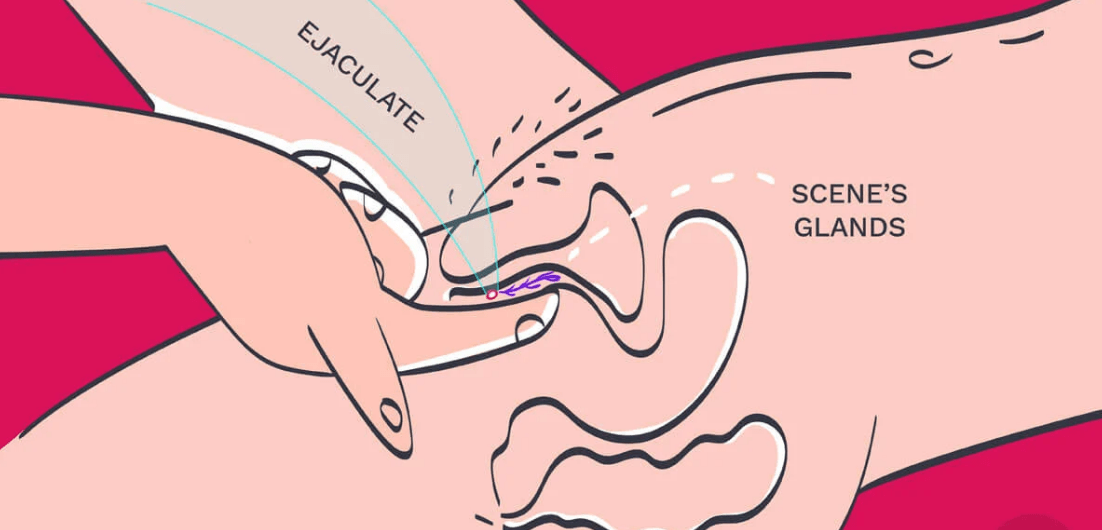
The elusive G-spot has sparked curiosity and debate for decades. Named after Dr. Ernst Gräfenberg, who first described it in the 1950s and brought into popular discourse in the 1980s, the G-spot remains a fascinating and often misunderstood aspect of human anatomy. Let’s delve into the science, explore its location and stimulation techniques, and even touch on the male G-spot for a comprehensive understanding of this pleasure zone.
What is the G-Spot?
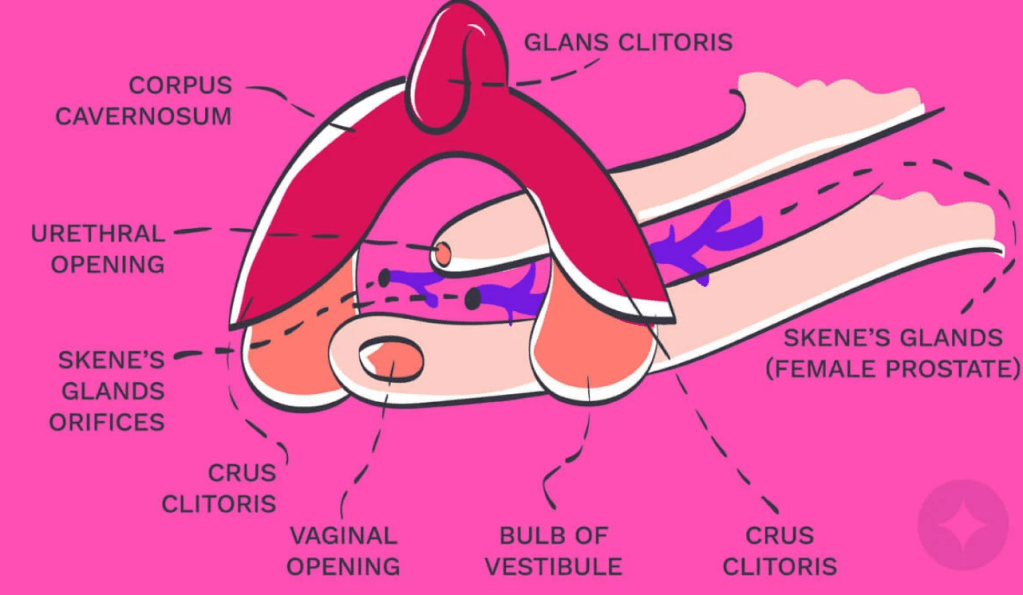
The G-spot is a sensitive area located on the anterior (front) wall of the vagina, about 1–3 inches from the vaginal opening. It is not a single, discrete organ but a cluster of nerve endings, erectile tissue, and glands that some researchers believe is connected to the clitoral network. When stimulated, the G-spot can swell and lead to intense pleasure, sometimes even producing a distinctive orgasm different from clitoral stimulation.
The Science of the G-Spot
The existence of the G-spot is supported by both anecdotal experiences and scientific studies, but its anatomy varies significantly among women. Researchers at the Journal of Sexual Medicine have found that the sensitivity of the anterior vaginal wall depends on the density of nerve endings, vascularization, and tissue composition, which differ from person to person. This variability explains why some women find the G-spot to be a source of intense pleasure while others may not respond as strongly.
A 2012 study by Emory University also identified that stimulation of the G-spot activates different areas of the brain than clitoral stimulation, suggesting a distinct physiological response. However, like many aspects of sexual health, more research is needed to fully understand its role in female pleasure.
How to Locate the G-Spot
For Women:
- Set the Mood: Relaxation is key. Engage in foreplay or self-stimulation to ensure you’re fully aroused, as this makes the G-spot easier to locate.
- Feel Around: Insert one or two fingers into the vagina and press against the front wall. The G-spot may feel slightly ridged or spongy compared to the surrounding tissue.
- Experiment with Pressure: Apply gentle, firm pressure or a “come hither” motion. If you notice heightened pleasure or swelling, you’ve likely found it.
For Partners:
- Communication is Key: Ask your partner to guide you in locating what feels good to them.
- Use the Right Angle: Position yourself to apply upward pressure inside the vaginal canal.
- Be Patient: Every woman is different. If direct stimulation doesn’t work, explore other areas and angles to find what brings the most pleasure.
Techniques for Stimulating the G-Spot
Once you’ve located the G-spot, here are tips to enhance the experience:
- Use Rhythmic Motions: Consistent, rhythmic pressure is often more pleasurable than rapid or uneven movements.
- Combine with Clitoral Stimulation: For many women, simultaneous stimulation of the clitoris and G-spot can heighten pleasure.
- Experiment with Positions: Positions like missionary with legs elevated, doggy style, or even modified spooning can optimize G-spot access.
- Incorporate Toys: G-spot-specific vibrators or curved toys can make stimulation easier and more effective.
The Male G-Spot: The Prostate
Men also have a G-spot equivalent—the prostate gland. Located about 2 inches inside the anus, the prostate can be stimulated to produce intensely pleasurable sensations and even prostate orgasms. Here’s how to explore it:
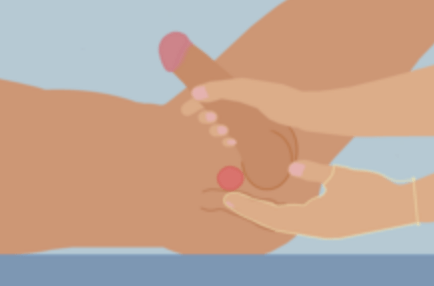
- Start Slowly: Relaxation is crucial. Use plenty of lubricant and start with gentle external pressure on the perineum (the area between the scrotum and anus).
- Find the Spot: Insert a finger and press gently against the front rectal wall. The prostate feels like a small, walnut-sized bump.
- Combine with External Stimulation: Prostate stimulation paired with penile or perineal stimulation often enhances the experience.
- Use Specialized Toys: Prostate massagers are designed to stimulate the gland effectively and comfortably.
Research published in Therapeutic Advances in Urology highlights the benefits of prostate stimulation, not only for sexual pleasure but also for promoting prostate health by improving circulation.
Myths and Realities
- Not Every Woman Will Orgasm from G-Spot Stimulation: Sensitivity varies widely, and that’s okay. Pleasure is a personal journey, and clitoral or other forms of stimulation can be equally satisfying.
- It’s Not “All or Nothing”: For many, the G-spot is just one part of a broader sexual repertoire. Its stimulation should complement, not replace, other erogenous zones.
- Exploration is Key: There’s no universal “map” for the G-spot. What works for one person may not work for another.
Final Thoughts
The G-spot, for both men and women, is less about anatomical certainty and more about exploration, communication, and mutual pleasure. By approaching it with curiosity, patience, and an open mind, you can unlock new dimensions of intimacy and satisfaction.
Sexuality is as much about discovery as it is about connection. Whether you’re exploring the G-spot solo or with a partner, remember that the journey to pleasure is unique—and every sensation along the way is worth savoring.

 The NLM Events
Leave a comment