
In the swingers lifestyle, sexual exploration, openness, and consensual experiences with multiple partners are celebrated. However, with this kind of sexual freedom comes the responsibility to ensure safety for yourself and others, particularly when it comes to sexually transmitted infections (STIs). Engaging in responsible practices is essential for protecting your health and the health of your sexual partners.
This article will cover the importance of using condoms, regular testing, awareness of lesser-known STIs, and the increased risks associated with random hookups. We’ll also discuss how, at swingers parties, safer sex practices like condom use are often the norm, and how easy and discreet it is to get tested regularly, especially in Australia, where government-run clinics provide accessible services.
Understanding the Risks: STIs in the Swingers Lifestyle
Sexually transmitted infections can affect anyone who is sexually active, but the risk is higher when you engage with multiple sexual partners, as is often the case in the swingers lifestyle. The key to protecting yourself and others lies in education, prevention, and regular testing.
Common STIs to Be Aware Of:
- Chlamydia and Gonorrhea: These are two of the most common bacterial STIs, and they can be easily spread through vaginal, oral, or anal sex. They often show no symptoms, which makes regular testing critical.
- Human Papillomavirus (HPV): HPV is highly contagious and can be spread through skin-to-skin contact, even if there are no visible symptoms. It can lead to genital warts or, in some cases, increase the risk of certain cancers.
- Herpes (HSV-1 and HSV-2): Genital herpes can be spread through vaginal, oral, or anal sex, as well as through close skin contact. While it’s treatable, it is a lifelong infection with occasional outbreaks.
- Syphilis: While not as common as chlamydia or gonorrhea, syphilis is another bacterial infection that can have serious health consequences if left untreated. It can be transmitted through direct contact with syphilis sores during sexual activity.
- HIV/AIDS: Although less prevalent due to advances in treatment and prevention, HIV remains a major concern. It is spread through the exchange of bodily fluids, particularly during unprotected penetrative sex.
- Trichomoniasis: This lesser-known STI is caused by a parasite and can be spread through vaginal intercourse. Like chlamydia and gonorrhea, it often goes unnoticed, but it can cause complications if left untreated.
Safety Precautions: Protecting Yourself and Others
There are several ways to reduce the risk of contracting or transmitting an STI in the swingers lifestyle. While no prevention method is 100% effective, taking the following precautions can significantly lower your risk:
- Condoms:
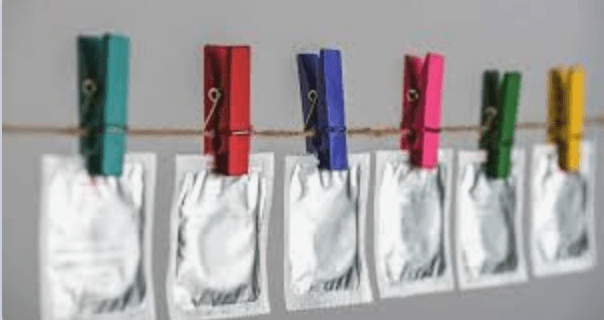
The consistent use of condoms for vaginal, oral, and anal sex is one of the most effective ways to prevent the spread of most STIs, including HIV, chlamydia, gonorrhea, and syphilis. Many swingers parties encourage condom use for all penetrative sex, and it’s a common expectation among responsible participants.Tip: Keep condoms and lubricant handy at all times, especially when attending parties or engaging in spontaneous hookups. Latex or polyurethane condoms are recommended, but for those with latex allergies, non-latex options like polyisoprene are available. - Dental Dams:
Dental dams are thin latex or polyurethane sheets used to cover the vagina or anus during oral sex, reducing the risk of STIs like herpes, HPV, and gonorrhea. Although less commonly used than condoms, dental dams are a valuable tool for safer oral sex. - Regular Testing:
Regular STI testing is a crucial part of staying healthy in the lifestyle. Even if you use condoms, it’s important to get tested regularly, as some infections like HPV and herpes can still be transmitted through skin-to-skin contact.In Australia, getting tested is easy and discreet. Many government-run clinics, such as Family Planning NSW and sexual health clinics across the country, offer free or low-cost STI testing. These clinics are judgment-free and focused on providing confidential sexual health services.How Often Should You Get Tested?
For those in the lifestyle, testing every 3 to 6 months is recommended, especially if you have multiple sexual partners. Testing should include a full panel for common STIs, such as HIV, syphilis, chlamydia, gonorrhea, and others depending on your sexual activity. - Open Communication:
One of the key principles of the swingers lifestyle is open and honest communication. This includes discussions about STI status, testing frequency, and expectations around condom use. Being transparent with partners about your sexual health and asking them to do the same fosters trust and responsibility in the community. - Limit Random Hookups:
While spontaneous encounters can be exciting, they carry a greater risk, especially if there is little time to discuss sexual history or establish boundaries regarding condom use. At organized swingers events and parties, there tends to be a greater focus on safer sex practices. However, random encounters outside these settings may present more risks, as not all participants may be as conscientious.
STIs Beyond the Usual Suspects: What You May Not Think About
While chlamydia, gonorrhea, and HIV are well-known, there are other STIs that people often overlook:
- HPV (Human Papillomavirus):
Even if you’ve been vaccinated, HPV can still be spread through sexual contact. It’s one of the most common STIs and can lead to genital warts or, more seriously, cancer in some cases. Regular screening, especially for women, through Pap smears is essential, as HPV often has no symptoms. - Herpes (HSV-1 and HSV-2):
Many people with herpes have no visible symptoms but can still spread the virus. Herpes can be transmitted through oral sex, making the use of condoms or dental dams important even in non-penetrative activities. - Trichomoniasis:
This is a lesser-known STI caused by a parasite, and many people are unaware of its existence. It can be asymptomatic but is easily treatable with antibiotics.
The Importance of Testing: Discreet and Easy in Australia
Getting tested for STIs has become easier and more accessible in Australia. Many clinics provide discreet, judgment-free testing services. Some clinics to consider include:
- Family Planning NSW: Provides sexual health testing and advice across various locations in New South Wales.
- Melbourne Sexual Health Centre: Offers free STI testing and treatment in Victoria.
- QLD Health Sexual Health Services: Provides testing across Queensland, including for those in regional areas.
- WA Sexual Health Services: For those in Western Australia, many clinics offer free or low-cost testing.
Many of these clinics allow you to book online and get tested discreetly, with results often available within a few days. Testing typically includes a urine test, blood test, and swabs to check for a range of STIs.
Dispelling Myths About STIs and the Swingers Lifestyle
There are several misconceptions about STIs in the lifestyle, which can lead to fear or stigma. Here are some common myths and the realities behind them:
- Myth: Only people who engage in random hookups or unsafe sex get STIs.
Reality: STIs can affect anyone, regardless of how many partners they have. The key is to stay educated, practice safer sex, and get tested regularly. - Myth: Condoms protect against all STIs.
Reality: While condoms significantly reduce the risk of many STIs, they do not offer 100% protection, especially against infections that can be spread through skin-to-skin contact, like herpes or HPV. Regular testing and open communication are still necessary. - Myth: Getting tested is difficult and embarrassing.
Reality: In Australia, getting tested is easy, discreet, and affordable. Many clinics provide free or low-cost services in a judgment-free environment, ensuring that everyone can take charge of their sexual health.
Conclusion: Safety, Communication, and Respect in the Lifestyle
Being part of the swingers lifestyle comes with a responsibility to prioritize not just your pleasure, but also your health and the health of your partners. Practicing safer sex through consistent condom use, regular testing, and open communication is crucial to reducing the risk of STIs. With modern sexual health clinics and services available across Australia, it’s easier than ever to stay on top of your sexual health and enjoy the lifestyle with peace of mind.
Remember, the swingers lifestyle is all about respect, trust, and mutual consent—and that includes respecting your own body and the bodies of those you engage with. By prioritizing sexual health, you can continue to enjoy the excitement and connection of the lifestyle safely and responsibly.

 The NLM Events
Leave a comment