
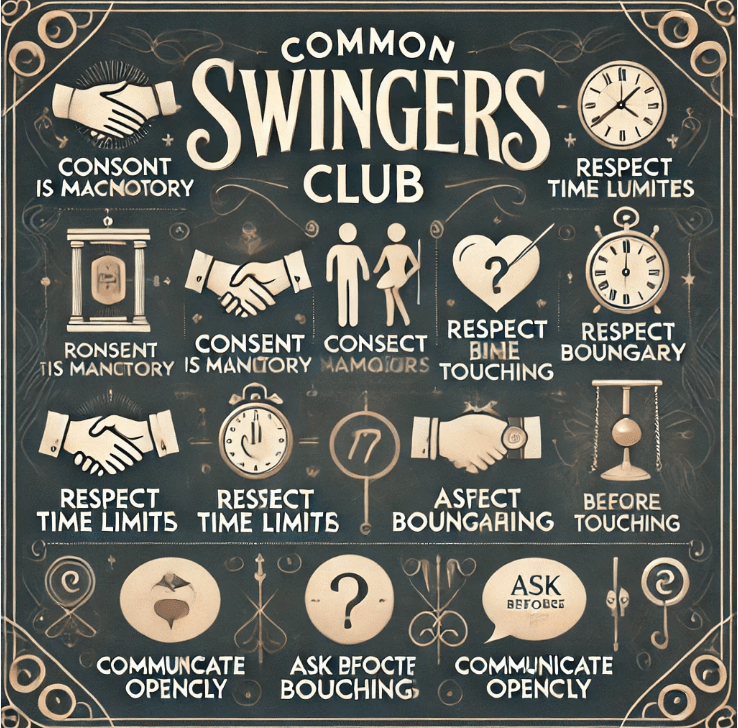
Swinging, meet-and-greets, play parties — they all come with anticipation, nerves, excitement, and sometimes a very impressive outfit that takes far too long to remove.
But once the music fades, the lights come back on, and you’re back in your own space (possibly doing a questionable amount of laundry), the most important part of the experience begins.
The conversation.
Because swinging isn’t just about what you do — it’s about how you process it together afterwards. And whether the night was incredible, awkward, confusing, or somewhere in between, what you say after will shape how safe, connected, and confident you feel moving forward.
Let’s talk about the conversations that matter.
First Things First: Reconnect Before You Review
Before you analyse anything, reconnect.
This isn’t the moment for a performance review or a “so let’s unpack that” tone. Start with closeness. Sit together. Touch. Cuddle. Eat. Laugh. Be human.
New experiences can leave your nervous system buzzing — in good ways and weird ones — and grounding yourselves first makes every conversation that follows feel safer.
A simple:
“I’m really glad we did that together.”
can do more than you think.
“How Are You Feeling?” (Not “Did You Like It?”)
This question is everything.
“How are you feeling?” opens the door to emotions, not just opinions. It gives space for:
- Excitement
- Confusion
- Vulnerability
- Mixed feelings (which are incredibly common)
Avoid yes/no questions early on. People often don’t know what they feel yet — they just know they feel something.
Let the answer unfold without interrupting, correcting, or defending.
Listening is the sexiest aftercare there is.
Talk About What Felt Good
Start with the positives.
Not because you’re ignoring the hard stuff, but because acknowledging what worked builds safety and confidence.
This might sound like:
- “I loved how we checked in with each other”
- “I felt really connected watching you enjoy yourself”
- “That moment when we laughed together actually made me relax”
These moments matter. Name them. They become anchors for future experiences.
Gently Name What Felt Off
This is where honesty matters most — and where tone matters even more.
If something didn’t sit right, bring it up calmly and specifically. Not:
“That whole thing was weird.”
But:
“I noticed I felt a bit insecure when…”
Stick to your experience. No blame. No scorekeeping.
Discomfort doesn’t mean failure — it means information.
And sharing it early prevents it from turning into resentment later.
Check in on Jealousy, Insecurity, and Unexpected Feelings
Even seasoned swingers feel these things. Newbies almost always do.
Jealousy doesn’t mean you’re doing it wrong. It means something inside you is asking for reassurance, clarity, or boundaries.
Talk about:
- Moments you felt unsure
- Comparisons that popped up in your head
- Emotional reactions that surprised you
The goal isn’t to eliminate these feelings — it’s to understand them together.
Revisit Boundaries (Yes, Every Time)
Boundaries are not “set once and forget”.
After a meet-and-greet or party, ask:
- Did anything push a boundary?
- Did anything feel closer to the line than expected?
- Are there things we’d like to tighten or loosen next time?
It’s completely normal for boundaries to evolve as you learn more about yourselves and each other.
This is growth, not instability.
Talk About Other People — Without Comparing
It’s okay to talk about who you enjoyed meeting or playing with. It’s not okay to turn it into comparison Olympics.
Avoid language that ranks, critiques, or measures:
- Performance
- Bodies
- Chemistry
Focus on experiences and feelings instead:
“I felt comfortable with them”
“I liked the energy in that space”
Swinging is about shared experiences, not scorecards.
Decide What Comes Next — Together
Not every conversation needs a decision. Sometimes the decision is simply: “Let’s sit with this.”
But it can help to check in:
- Do we want to do this again soon?
- Do we want to slow down?
- Do we want to try something different next time?
There’s no “right pace” in the lifestyle — only the pace that works for you.
The Morning-After Check-In Still Counts
Some feelings take time to surface.
A next-day check-in can be just as important as the late-night debrief:
“How are you feeling about everything today?”
This is where emotional aftershocks often appear — and where reassurance and connection matter most.
Why These Conversations Are Non-Negotiable
Swinging works when communication is:
- Open
- Ongoing
- Kind
- Judgment-free
The sex might be optional.
The conversations are not.
They’re what turn experiences into growth instead of fractures, excitement instead of anxiety, and curiosity instead of regret.
So talk. Then talk some more. And when you think you’ve talked enough — check in again.
Because the strongest couples in the lifestyle aren’t the wildest ones.
They’re the ones who know how to come home, sit together, and say:
“Okay… how did that really feel for you?”

 The NLM Events
Leave a comment